
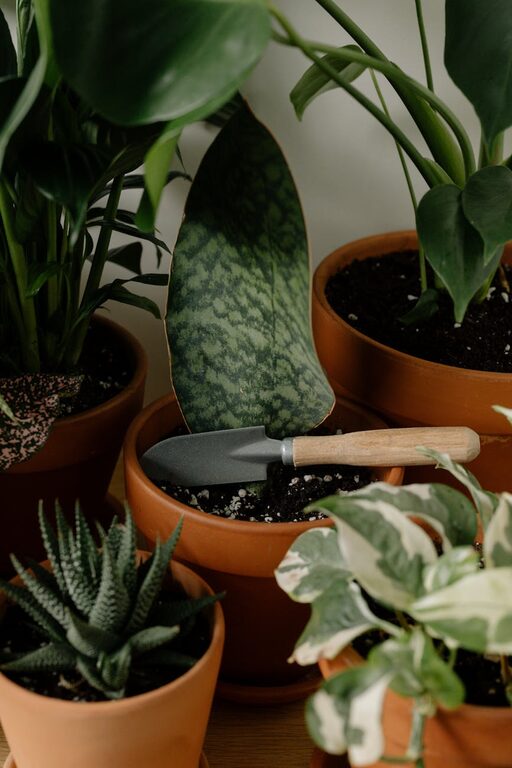
Bringing houseplants into your home adds beauty, freshness, and a touch of nature to your indoor space. Whether you have a few succulents on a windowsill or a collection of lush greenery, keeping your plants healthy requires some attention and care. In this post, we’ll explore straightforward tips to help your houseplants thrive, even if you’re new to plant care.
Understanding Your Houseplants’ Needs
Every plant species has its own requirements for light, water, soil, and humidity. The first step to healthy plants is understanding what your specific plants need.
Know Your Plant Species
Spend some time learning about your plants. Common categories include:
– Succulents and cacti: Prefer bright light and infrequent watering.
– Tropical plants: Thrive in moderate to bright indirect light with higher humidity.
– Ferns and mosses: Usually need more moisture and lower light.
Check plant tags or research online for care instructions tailored to each plant.
Light: The Essential Energy Source
Plants rely on light to perform photosynthesis, so the right light is key to their health.
Choose the Right Spot
– Bright Light: Near south or west-facing windows, good for sun-loving plants.
– Indirect Light: East-facing windows or spots away from direct sun, suitable for most tropical plants.
– Low Light: Areas without direct sunlight, good for hardy plants like snake plants or pothos.
Rotate your plants every week to ensure all sides receive equal light, promoting even growth.
Watering Wisely
Overwatering is a common mistake that can harm plants just as much as underwatering.
Tips for Proper Watering
– Check the soil moisture before watering. Stick your finger about an inch into the soil; if it feels dry, it’s time to water.
– Use room temperature water to avoid shocking the roots.
– Water thoroughly, allowing excess to drain out of the pot’s drainage holes. Never let your plant sit in standing water.
– Adjust watering frequency based on the season — most plants need less water in winter.
Choose the Right Soil and Pot
Healthy roots depend on good soil and containers.
Soil Matters
Use a potting mix designed for your plant type. For example, succulents require fast-draining soil, while ferns prefer moisture-retentive mixtures.
Pot Selection
– Choose pots with drainage holes to prevent water buildup.
– Terra cotta pots help with airflow and moisture evaporation.
– Ensure the pot size fits your plant; too large a pot can cause waterlogging, while a too-small pot restricts root growth.
Maintain Humidity and Temperature
Indoor environments can be dry, especially in winter, which some plants find stressful.
Boost Humidity
– Group plants together to create a microenvironment.
– Use a humidity tray filled with water and pebbles.
– Mist leafy plants occasionally.
– Consider using a humidifier in dry rooms.
Keep Temperature Stable
Avoid placing plants near cold drafts, heaters, or air conditioners. Most houseplants prefer temperatures between 65-75°F (18-24°C).
Regular Feeding and Fertilizing
Plants need nutrients beyond what fresh soil provides.
– Use a balanced, water-soluble fertilizer during the growing season (spring and summer).
– Follow the instructions carefully to avoid over-fertilizing, which can lead to chemical buildup.
– Reduce or stop fertilizing in fall and winter when growth naturally slows.
Pruning and Grooming
Keeping your plants tidy helps their health and appearance.
– Remove dead or yellowed leaves promptly to prevent disease.
– Trim leggy growth to encourage fuller shapes.
– Clean leaves gently with a damp cloth to remove dust, which can block sunlight.
– Check regularly for pests like spider mites or aphids, and treat them early.
Repotting Your Plants
Over time, plants may outgrow their pots or deplete soil nutrients.
– Repot every 1-2 years, or when roots grow out of drainage holes.
– Choose a pot one size larger than the current one.
– Refresh the soil to provide new nutrients.
Troubleshooting Common Issues
– Yellow leaves: Could indicate overwatering or low light.
– Wilting: Often due to underwatering or root problems.
– Brown leaf tips: May be a sign of low humidity or excess fertilizer.
Observe your plants closely and adjust care accordingly.
Enjoy the Process and Stay Patient
Houseplants bring joy but also require time and attention. Mistakes happen, and plants may struggle occasionally. The key is to learn from experience and keep trying. Over time, you’ll develop a green thumb and a thriving indoor garden!
—
Whether you have just a few plants or a whole indoor forest, these tips can help you nurture your houseplants effectively. Happy planting!