
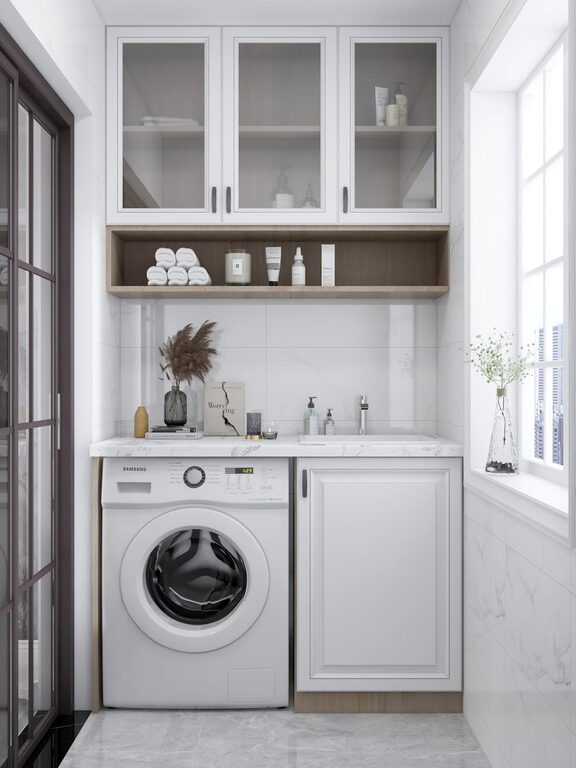
Creating a calm and peaceful atmosphere in your home doesn’t just depend on furniture or lighting—it starts with the colors on your walls. Colors have a remarkable ability to influence our moods and feelings, so choosing the right hues can help make your living space feel more relaxing and inviting.
In this post, we’ll explore practical tips for selecting calm colors that enhance tranquility and harmony in your home. Whether you’re repainting a single room or planning a full makeover, these ideas will guide you to a soothing color palette.
—
Why Choose Calm Colors for Your Home?
Before diving into color choices, it helps to understand why calm colors matter. Spaces painted in softer, muted tones tend to promote relaxation, reduce stress, and improve mental well-being. They create an environment where you can unwind after a busy day and feel more connected to your surroundings.
Calm colors also provide a versatile foundation that pairs well with various decorating styles, from minimalist to cozy and everything in between.
—
Popular Calm Colors and Their Effects
Here are some calm colors that are popular choices for peaceful interiors, along with the feelings they often evoke:
– Soft Blues: Associated with serenity and trust. Blue tones mimic the sky and water, offering a cooling and restful vibe.
– Muted Greens: Remind us of nature, promoting balance and renewal.
– Warm Neutrals: Beige, taupe, and gentle browns create a cozy, grounding atmosphere.
– Light Grays: Offer a modern, subdued backdrop without feeling cold.
– Lavender and Soft Purple: Bring a gentle softness and subtle sophistication.
– Pale Pinks: Add warmth and a delicate calming influence.
—
Tips for Choosing Calm Colors
1. Consider Your Space and Lighting
The size and lighting of your room greatly affect how colors appear. Natural light enhances colors differently than artificial light.
– Bright Rooms: You can use cooler tones like light blues or greens without the space feeling too cold.
– Dim Rooms: Warm neutrals or soft pastels can make the space feel cozy and inviting.
Always test paint samples on your walls and observe them at different times of day before making a final decision.
2. Use a Cohesive Color Palette
To maintain calmness, stick to two or three complementary hues. Overloading a room with too many colors can create visual chaos.
– Monochromatic Scheme: Use different shades of the same color for a harmonious effect.
– Analogous Colors: Choose colors that sit next to each other on the color wheel for a subtle contrast.
3. Balance with Neutrals
Integrating neutral tones like off-white, beige, or soft gray helps soften bolder calm colors and keeps the space feeling airy and uncluttered.
4. Think About Your Furniture and Decor
Your color choice should complement existing furnishings and decor items. If you have colorful pillows, rugs, or artwork, select calm wall colors that enhance rather than compete with these elements.
5. Use Color Psychology to Your Advantage
Understand the mood each color creates. For example, blue can help reduce anxiety, making it a great choice for bedrooms. Green is rejuvenating and perfect for living areas or home offices.
6. Incorporate Texture and Natural Materials
Calm colors combined with natural materials like wood, stone, or linen add depth and warmth to your room without overwhelming the senses.
—
Room-by-Room Calm Color Suggestions
Living Room
Opt for warm neutrals or muted greens to create a welcoming space that encourages relaxation and conversation. Adding textured throws and cushions enhances comfort.
Bedroom
Focus on soft blues, lavender, or pale pinks to foster restful sleep and calmness. Pair with light curtains and minimal clutter.
Bathroom
Cool tones like light blue or gray can create a spa-like feeling. Use white accents to keep the space fresh and clean.
Home Office
Choose gentle greens or soft neutrals to maintain focus while keeping stress levels low. Avoid harsh or overly bright colors.
—
Final Thoughts
Choosing calm colors for your home is a simple yet powerful way to transform your living space into a peaceful sanctuary. By considering light, space, existing decor, and the mood you wish to create, you can select colors that refresh and relax.
Remember to test paint samples and take your time deciding—your home should reflect your personal sense of calm and comfort.
—
By following these tips, you’ll enjoy a soothing home environment that feels just right for you and your family. Happy decorating!